| Realizing a department vision
Creating a legacy
The win:
Built a department from the ground up that has changed 15+ peoples' careers





Centerfield acquires customers for dozens of Fortune 500 companies through branded sites we build and operate, driving traffic through our internal platform, Dugout.
Design owned those site experiences. Without a design leader, they were all operating under the title “Digital Designer” and relying on instinct,
not insight.
00.
The gap between what design could do for Centerfield and
what it was actually doing was
the real opportunity.
01.
Designers were told what to build or used conversion tactics that treated users like targets, not people.
User motivations weren’t considered.
Behavioral data went unread. And the platform powering it all hadn’t been touched in a decade.
I’ve always been inspired by
looking at something and realizing,
“this could be so much more.”
02.
After almost a decade of practice, I was ready to put that instinct into action with the team at Centerfield.
First, I gave the team a process —
At face value, this feels intuitive and obvious — but for this team, this was like discovering the wheel.
And when applied to our different contexts, it could get quite nuanced, demanding product strategy to act as the right filter:
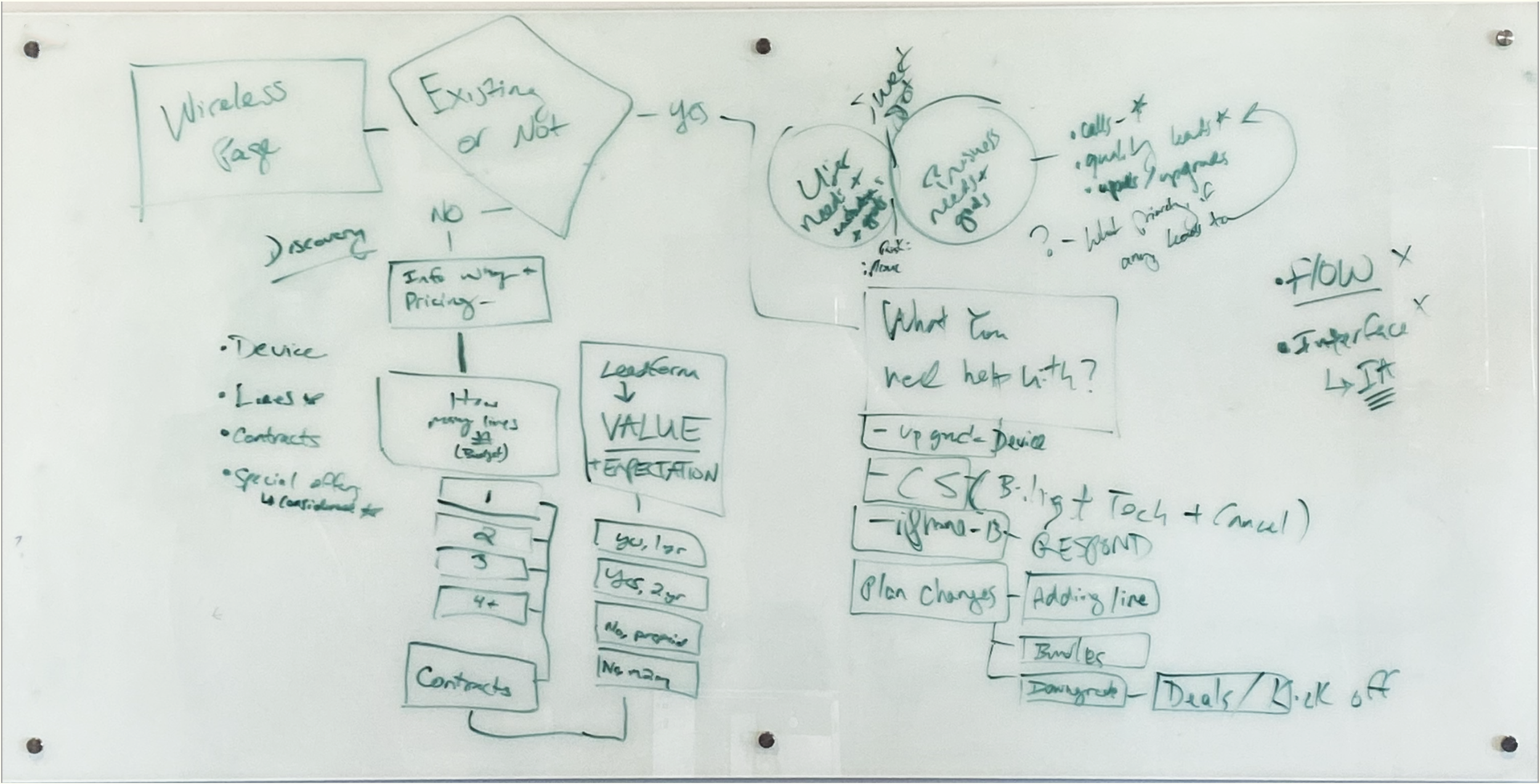
When competing deadlines left us without
choice, we stripped the process to the essentials.
When the full process promised more than it risked,
we went for it and assessed: what went well, failed?
36% of our years’ A/B tests increased both engagement and sales in utilizing this.
03.
Then, this team needed to get organized — fast.
Managing 8 designers across 13+ brands with every test and update’s own timeline meant I needed a MVP roadmap that could give me a birds-eye view and adapt resources and priorities nimbly.
Our Jira boards were owned by project managers who used them strictly for dev, leaving design to
fend for itself.
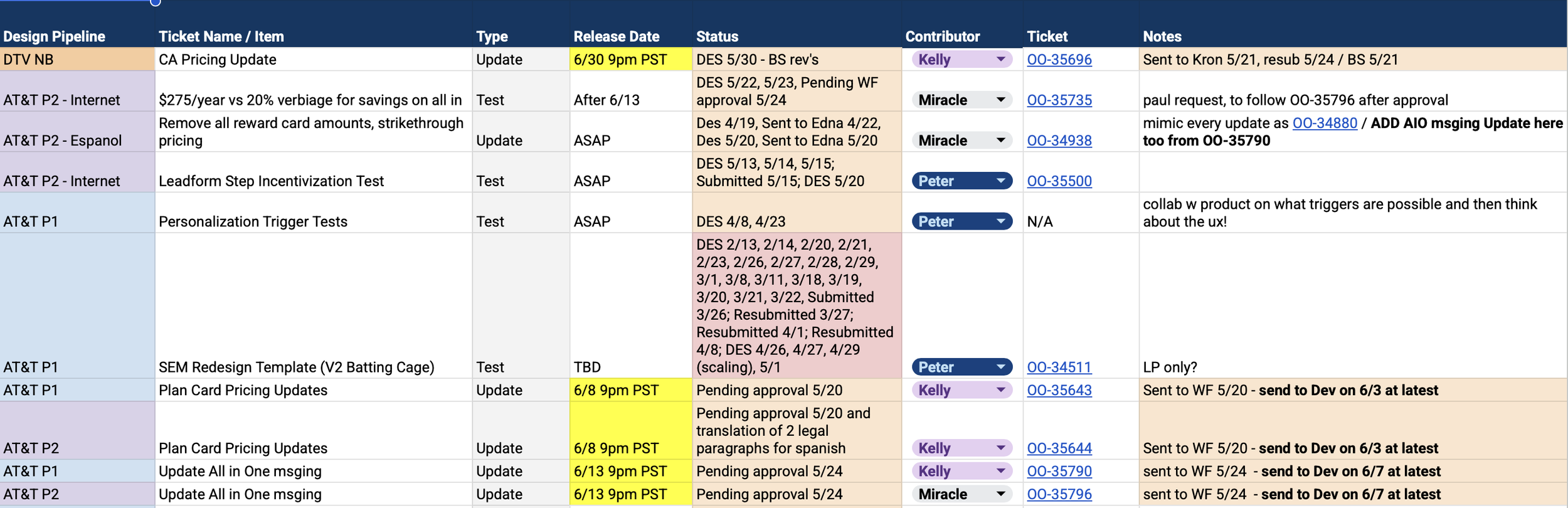
Killing time-waste and enabling rapid pivots increased our output by 19.5% YoY.
Later, in 2025, I also built a report that revealed the true net value of design's labor for the first time at a collective and per-task view.
04.
In recalibrating both the teams’ lens and data analysis, I had enough credence to retitle us from “Digital Designer” to Product Designer.

And in doing so, something shifted
in how the team carried themselves.
They pushed back on bad test strategies and the rest of the company started treating their opinions as essential rather than
just executing around them.
I also championed and established a Design Ops function to reinforce system foundations and free product designers from production work.

05.
Then, with stakes the highest
they’d ever been —
we suddenly had to
prove our new titles.
3
months in a head-to-head
test of our site vs. theirs
30
M
in revenue from their most valuable paid traffic to the winner
Our largest client
23
A/B tests executed, launched, and analyzed
In blending my creative direction, product, and UX lenses, I ideated and fought for one test that became the avalanche that led to us winning against AT&T and earning 8-figures.
06.
Two years in, the department doubled. 8 designers across
one team became 17 across five.
So, I wrote every level’s job description, assigned themes that defined what separated them, and created a baseline skill chart for each that was used to assess each individual using the Dreyfus framework.
This changed everything.
Department friction — gone.
What made someone a lead, senior, mid,
or junior? With multiple managers,
subjectivity was a liability.
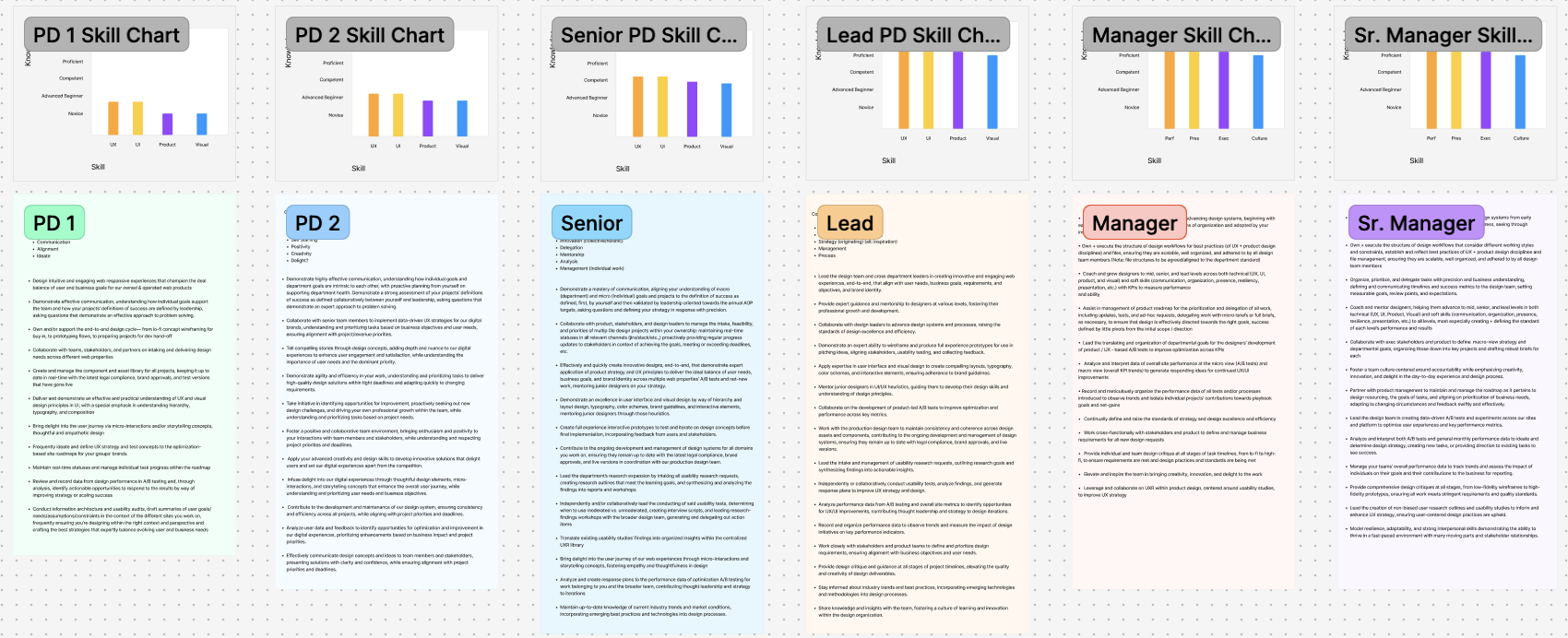
It gave designers crystal clear paths for growth while securing their trust and engagement because their performance evaluations were objective and now universally even.
07.
And after a 5-year effort, the team’s largest transformation yet.
When I joined Centerfield in 2020, I advocated for — and executed — two large mixed method user research studies for two business segments.
While I was generating wins off of this data, the business didn’t act on the insights.
“Business-as-usual” was safe, predictable.
But by 2025, after revolutionizing the department, presenting at company-wide town halls, and gaining senior leadership’s trust,
I was primed to try again.
In mid-2025, while the team was scaling usability testing… I was asked to do a study to solve the million dollar question:
Why don’t our customers call?
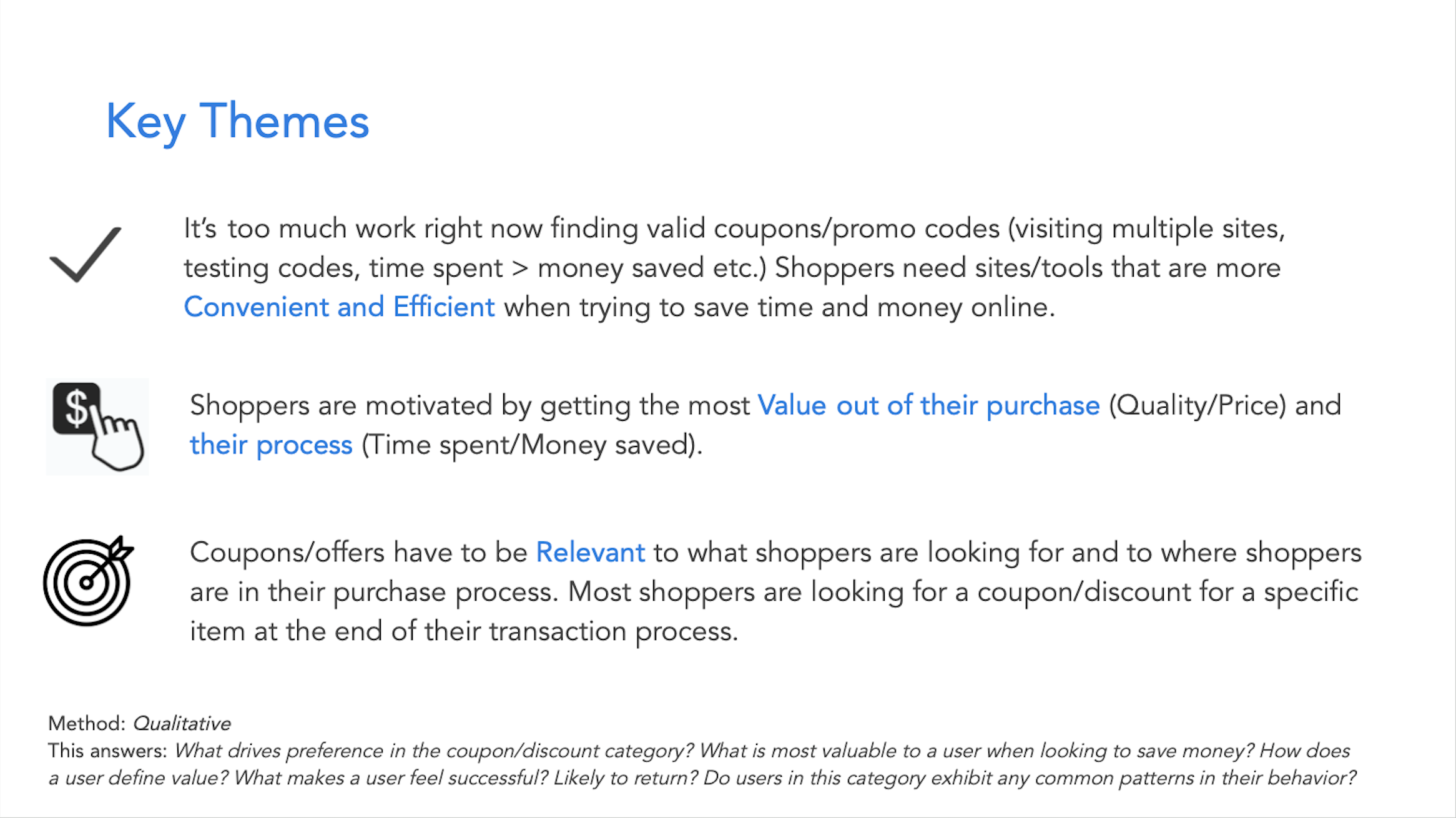
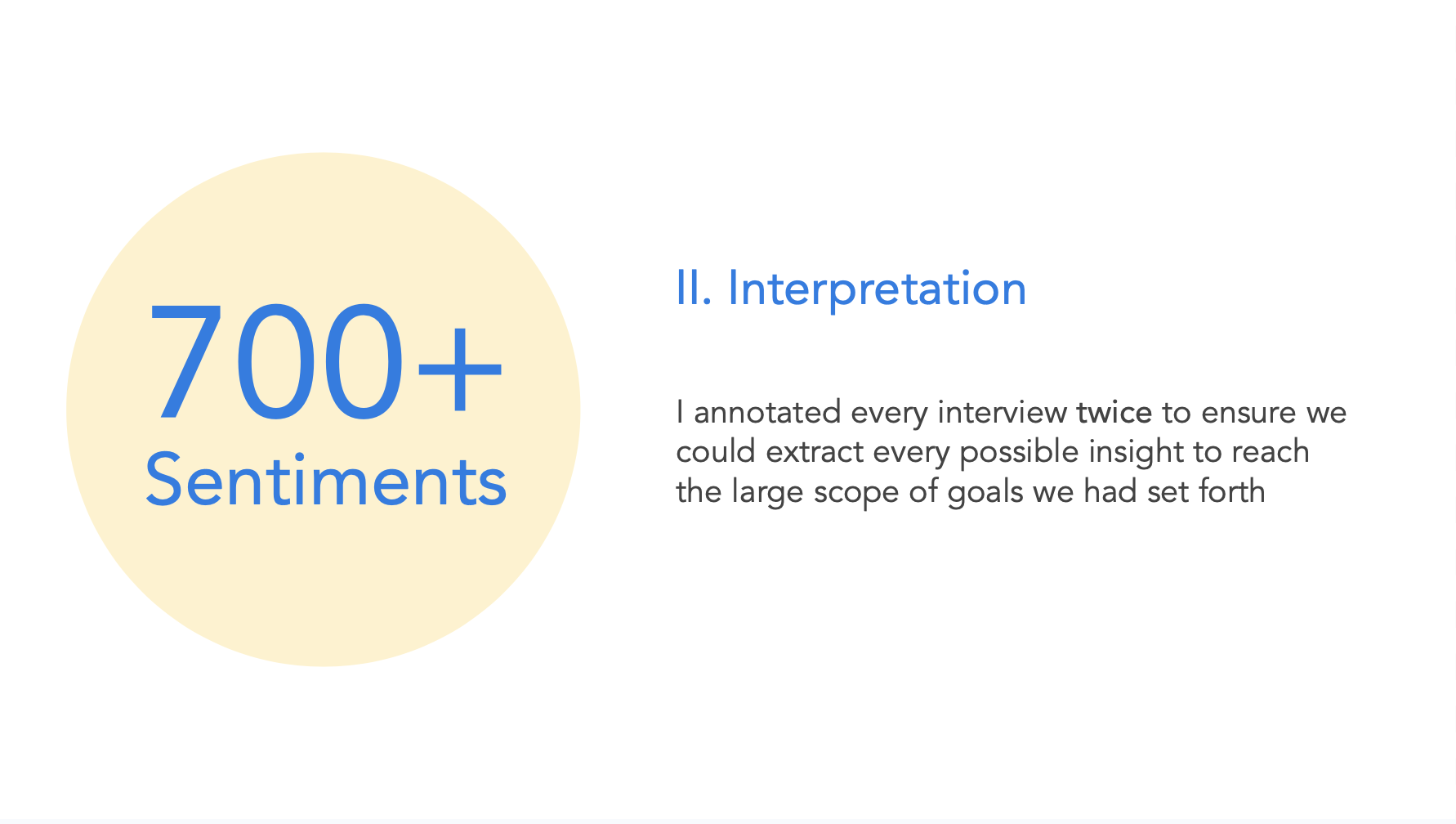
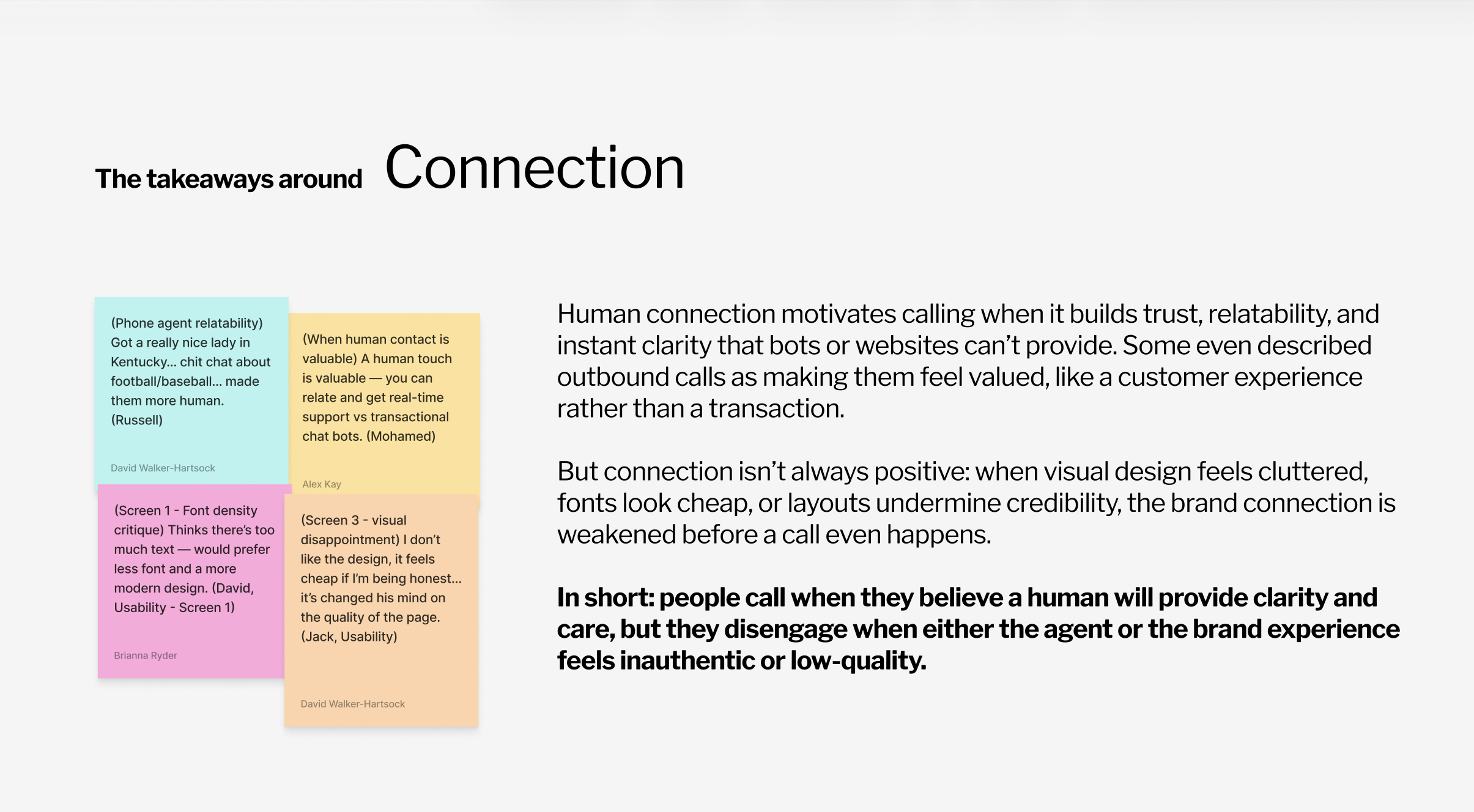
As the research owner, I seized the opportunity it presented to train my design managers and their designers on different user research methods, focusing largely on the most vulnerable discipline of qualitative research.
Workshops, working sessions, and one-on-one
mentorship through the entire journey.
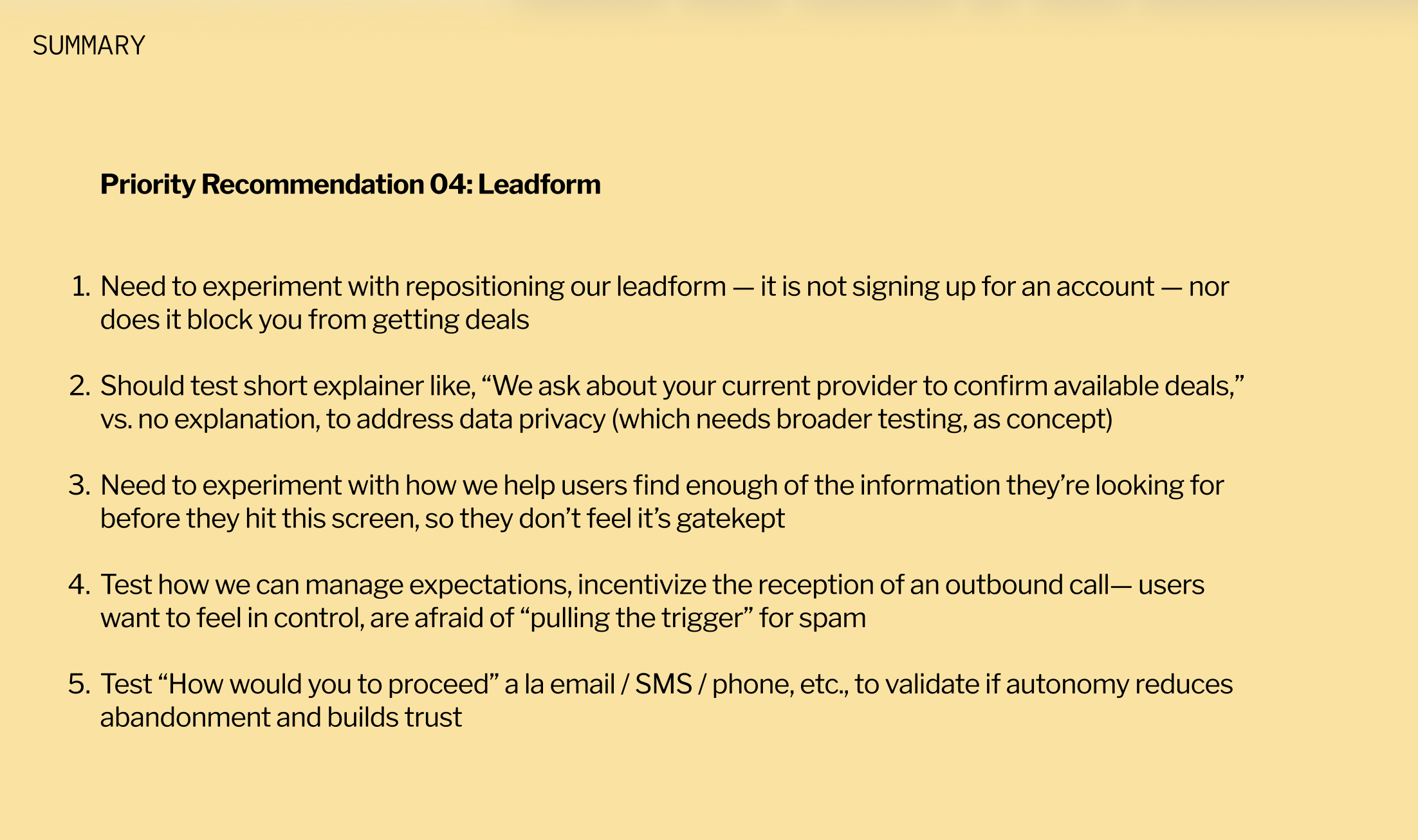
It produced 30 action items, enough to roadmap two quarters of work in ’26.
In the first few tests to go to market, we saw ~$200k returns.
But the bigger win wasn't the study. It was that by the end of it, the team had a full research budget, research accounts, and could run one themselves.
08.
As I led the department's most ambitious research study yet, something exciting was happening in parallel.
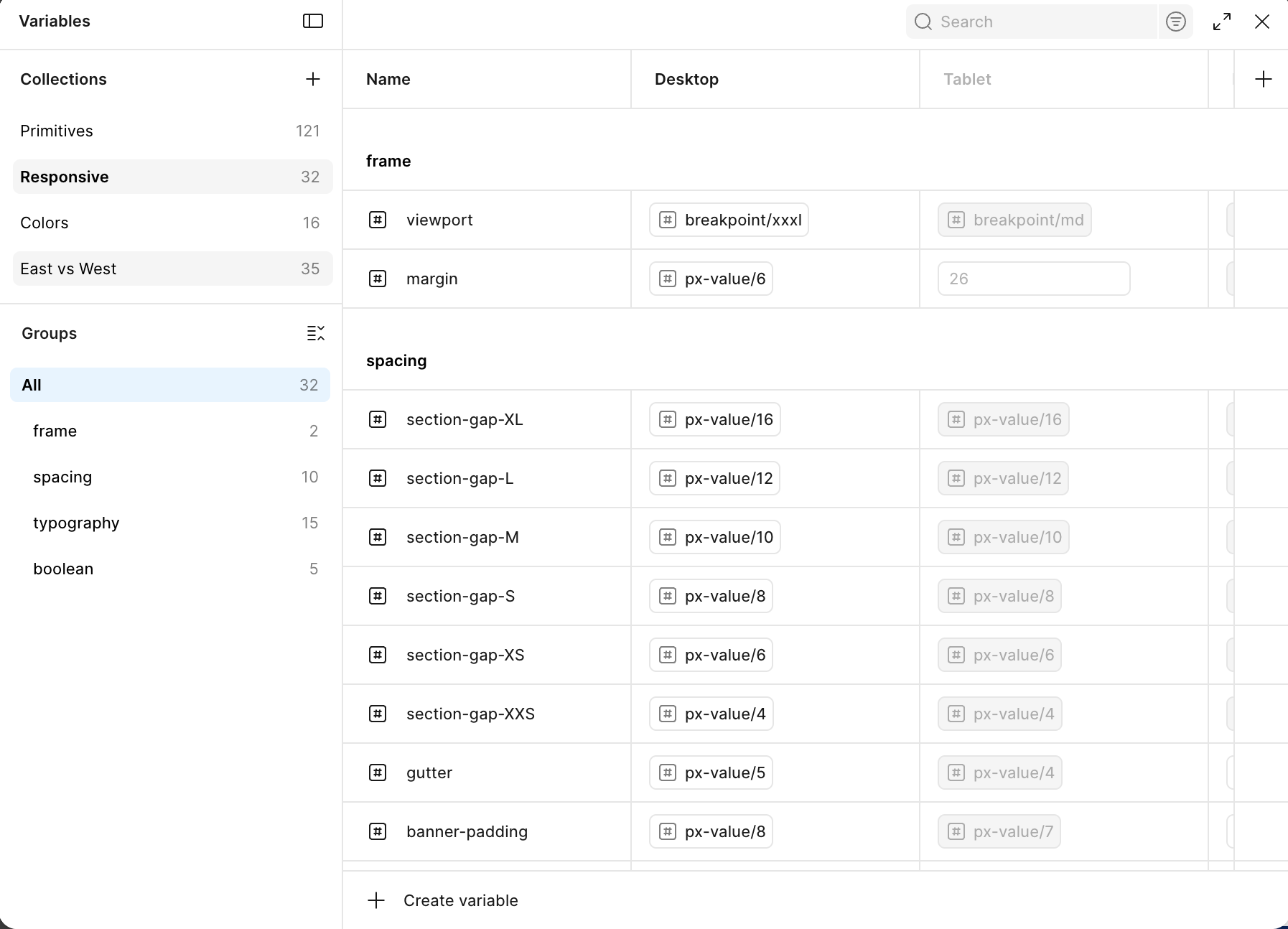
One of my managers and her designers adapted Optimum’s design system’s structure to test a page build with MCP Compatibility:
Leadership tasked me with exploring AI's integration
into the design workflow.
Dev and design were solving the same problem separately and when we came together, I realized…
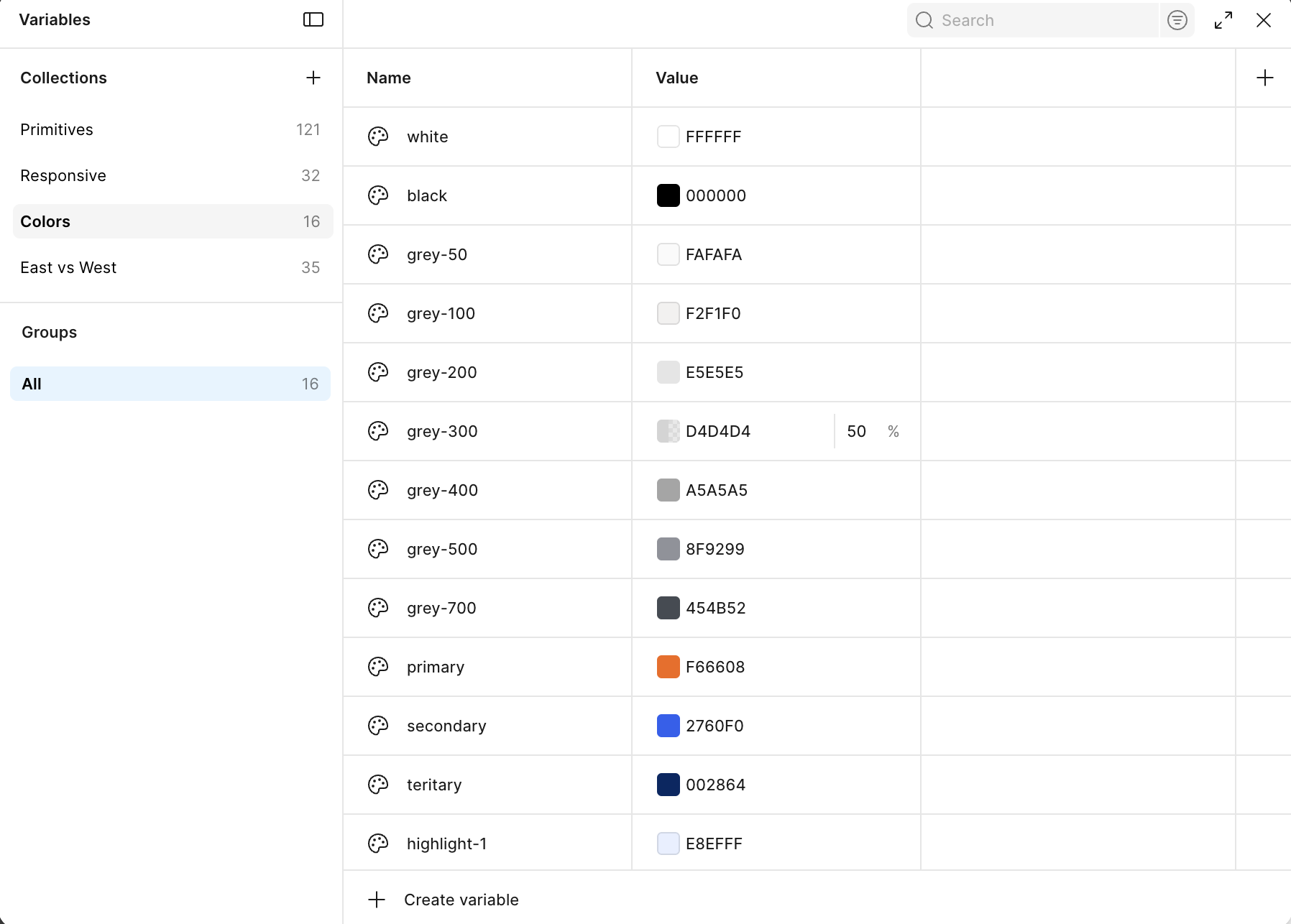
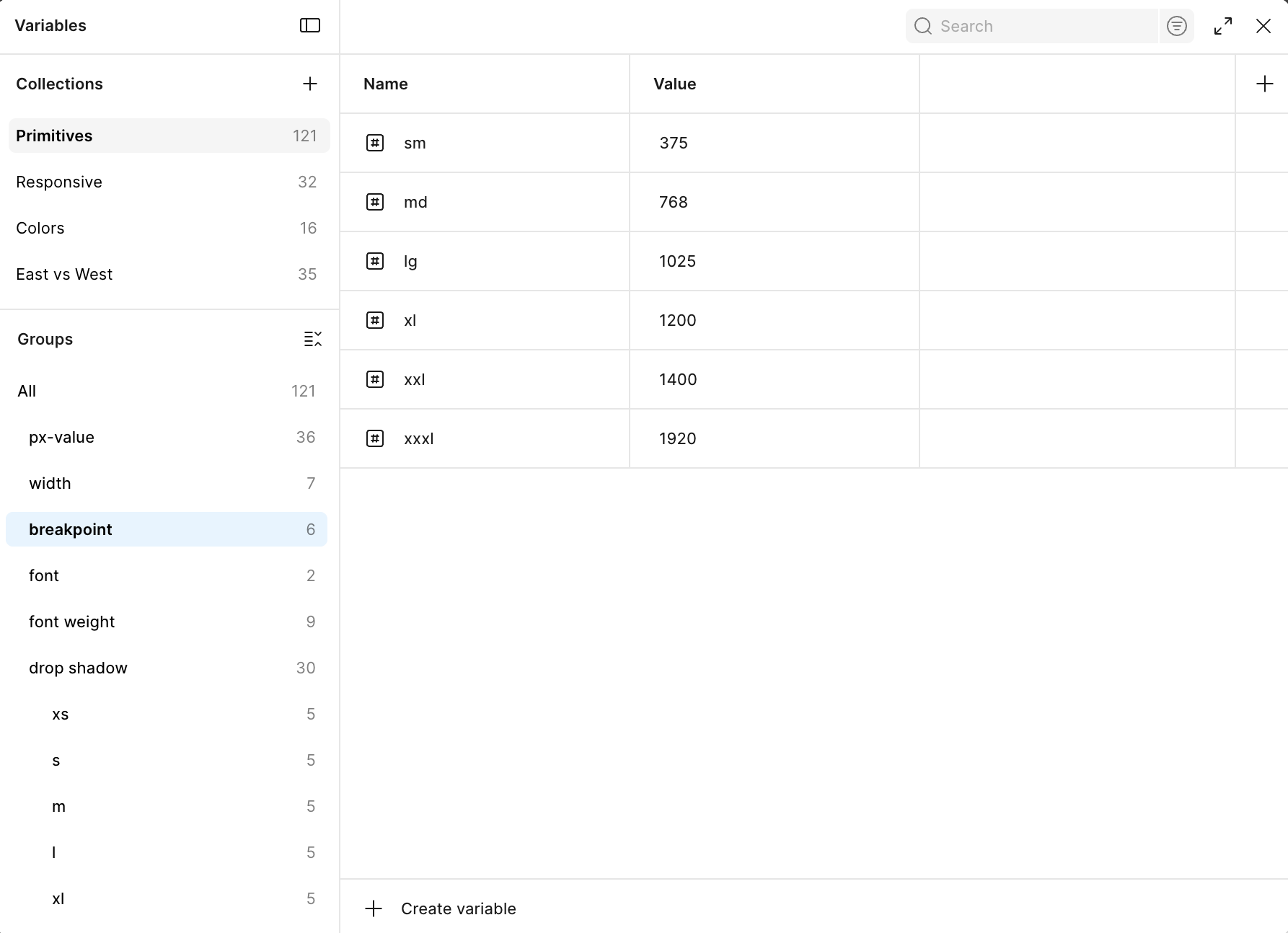
If our design system used the right taxonomy of patterns, variables and tokens, we could make it natively MCP compatible. No third party UI kit required.
Engineering time reduced by 70%.
Design efficiency up 50%.
By Q4 2025, we had design systems ready for agentic coding before most teams knew they needed to be.
09.
None of this would have been possible if the team wasn’t engaged or recognized.
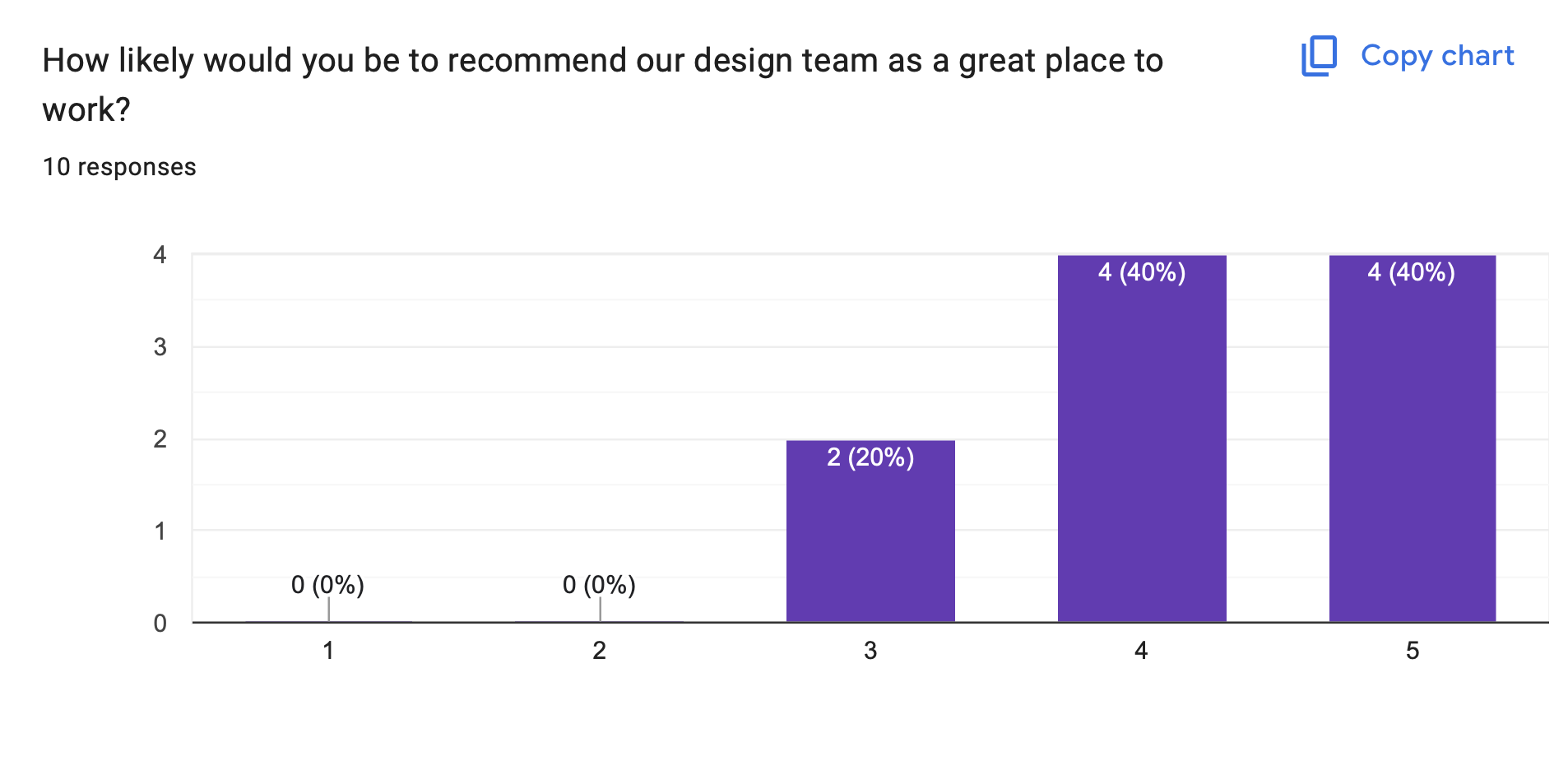
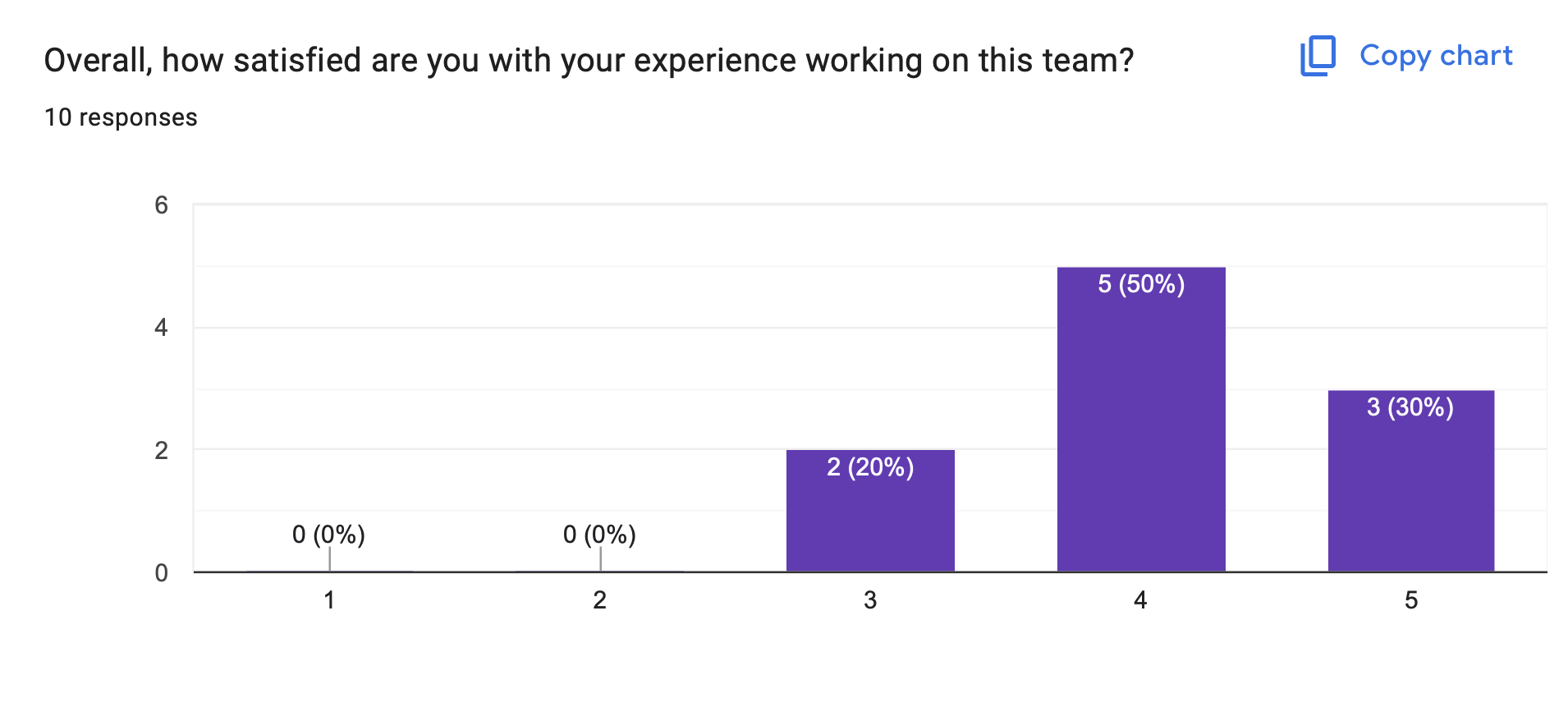
In 2025, 82% of the team rated their experience a
4 or 5 out of 5 and that they'd recommend this team as a great place to work.